
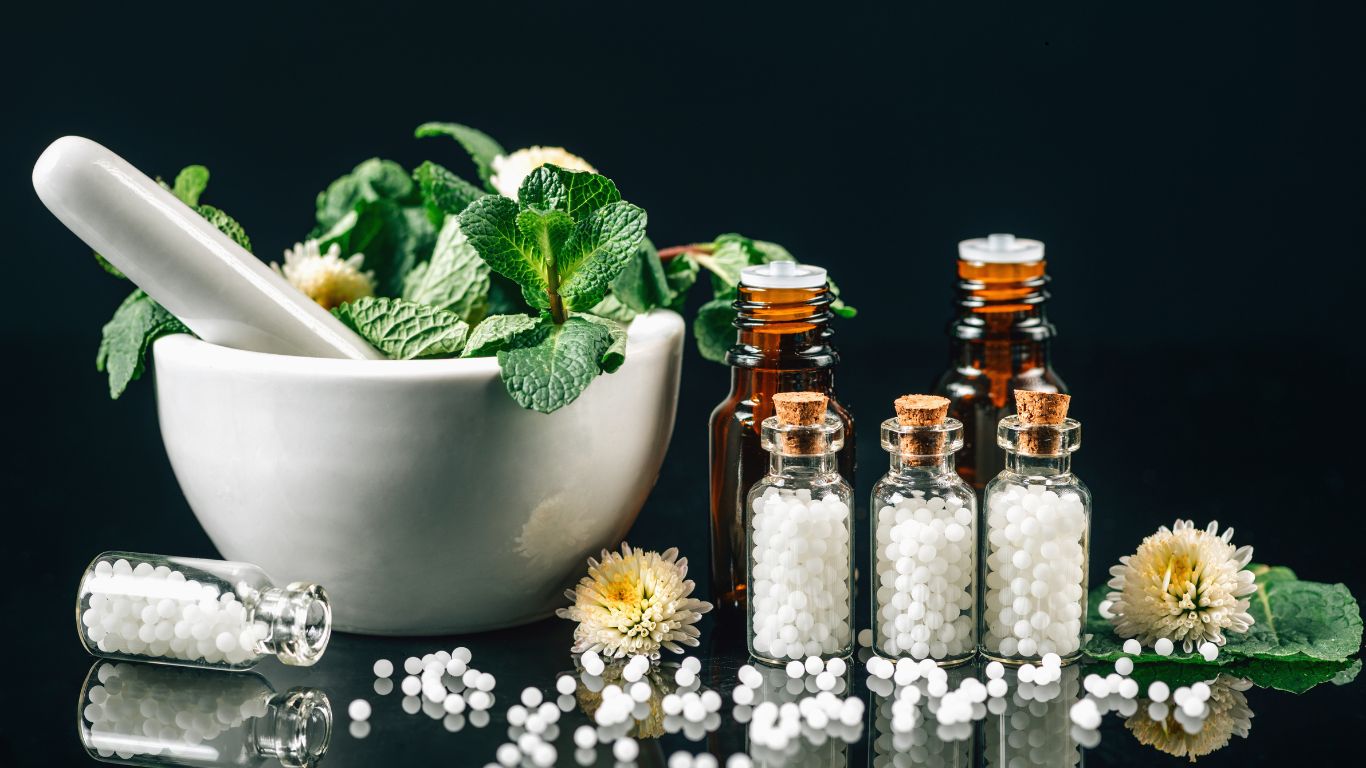
Homeopathic treatment for kidney stones focuses on individualized remedies that aim to dissolve stones and alleviate pain. Remedies like Berberis vulgaris and Cantharis are commonly used for effective symptom relief.
Kidney stones can cause intense discomfort and may lead to serious health issues if untreated. Many individuals seek alternative remedies, including homeopathy, due to its holistic approach. Homeopathic treatments aim to address the root cause of the problem, often enhancing the body’s natural healing processes.
Each remedy is tailored to the patient’s specific symptoms, making this treatment option highly personalized. Many find relief from symptoms such as pain and urgency, while also working to prevent future stone formation. Understanding these remedies can empower patients in managing their kidney health effectively.
Introduction To Homeo Treatment For Kidney Stones
Homeopathy offers a gentle approach to treating kidney stones. It focuses on the body’s natural healing abilities. Many people seek homeopathic remedies for their effectiveness and minimal side effects.
Brief On Kidney Stone Prevalence
Kidney stones are a common health issue. They affect millions worldwide. Here are some important statistics:
| Fact | Percentage |
|---|---|
| Men affected | 10-15% |
| Women affected | 5-10% |
| Recurrence rate | 50% within 5 years |
Kidney stones form due to various reasons. Dehydration and dietary factors play a major role. Genetics also influence stone formation. Symptoms can include:
- Severe pain in the back or side
- Nausea and vomiting
- Blood in urine
Why Consider Homeopathy
Homeopathy treats the individual, not just the symptoms. It aims to restore balance in the body. Here are some reasons to consider homeopathy for kidney stones:
- Non-invasive: No surgical procedures required.
- Natural ingredients: Remedies made from plants and minerals.
- Fewer side effects: Generally safe for all ages.
- Holistic approach: Addresses emotional and physical aspects.
Common homeopathic remedies for kidney stones include:
- Berberis vulgaris: For sharp, shooting pain.
- Cantharis: For burning sensations during urination.
- Colocynthis: For cramping pain relief.
Consult a qualified homeopath for personalized treatment. They can help select the right remedy for your condition.
Homeopathy Principles And Kidney Stones
Homeopathy offers a unique approach to treating kidney stones. Its principles focus on natural healing. Understanding these principles can help manage kidney stones effectively.
Law Of Similars
The Law of Similars is a core principle of homeopathy. It means “like cures like.” This principle suggests that a substance causing symptoms in a healthy person can treat similar symptoms in a sick person.
- For kidney stones, specific remedies mimic the symptoms.
- Common symptoms include pain, burning, and urgency.
- Homeopathic remedies target these symptoms effectively.
For example, Berberis vulgaris may help with kidney stone pain. It works by matching the body’s response to the pain.
Minimum Dose And Potentization
Homeopathy uses the minimum dose principle. The idea is to use the smallest amount of medicine. This approach minimizes side effects.
Potentization is the process of diluting and shaking the remedy. This makes the remedy more effective. It enhances the healing properties without increasing toxicity.
| Remedy | Indication | Potency |
|---|---|---|
| Berberis vulgaris | Sharp kidney pain | 30C |
| Cantharis | Burning sensation during urination | 200C |
| Colocynthis | Spasmodic pain | 30C |
Choosing the right potency is important. It is best to consult a homeopath for guidance. They can recommend the best approach for your needs.
Common Homeopathic Remedies For Kidney Stones
Homeopathic remedies offer natural options for treating kidney stones. These remedies focus on the body’s self-healing abilities. They aim to reduce pain and dissolve stones effectively. Here are some effective remedies:
Berberis Vulgaris
Berberis Vulgaris is a popular homeopathic remedy for kidney stones. It helps relieve pain in the lower back and bladder area. This remedy is especially useful for sharp, cutting pain. Key benefits include:
- Reduces inflammation in the urinary tract.
- Helps dissolve stones.
- Relieves pain during urination.
Dosage usually varies based on individual needs. Consult a homeopathic practitioner for personalized advice.
Hydrangea Arborescens
Hydrangea Arborescens is another effective remedy. It helps in breaking down kidney stones. This remedy is gentle and safe for long-term use. Key benefits include:
- Promotes kidney health.
- Supports urinary function.
- Reduces pain and discomfort.
It is often recommended for people with a history of stones. Regular use can improve overall kidney function.
Lycopodium Clavatum
Lycopodium Clavatum is beneficial for specific types of kidney stones. It is particularly effective for those with a family history of stones. Key benefits include:
- Reduces bloating and discomfort.
- Addresses pain in the right side.
- May help prevent future stone formation.
Consult a professional for the best dosage and treatment plan.
How Homeopathy Offers Painless Relief
Homeopathy provides a gentle, effective solution for kidney stones. It focuses on treating the individual, not just the symptoms. This method aims for painless relief from discomfort caused by kidney stones.
Non-invasive Approach
Homeopathy emphasizes a non-invasive treatment method. This means no surgeries or harsh procedures are needed. Instead, it uses natural remedies to promote healing.
- No surgical interventions
- Safe and natural ingredients
- Targeted treatment for symptoms
This approach is ideal for those seeking a gentler option. Patients can avoid the stress of invasive methods. They can also experience quicker recovery times.
Gentle On The Body
Homeopathic treatments are mild and easy on the body. They work by stimulating the body’s natural healing processes. This ensures the treatment is effective without side effects.
| Benefits of Homeopathy | Traditional Treatments |
|---|---|
| Natural ingredients | Often synthetic drugs |
| Non-invasive | May require surgery |
| Fewer side effects | Possible severe side effects |
Patients often report feeling more comfortable during treatment. This gentle method helps reduce pain and discomfort. It enhances overall well-being while addressing kidney stones effectively.
Comparing Homeopathy With Conventional Treatments
Kidney stones can be painful. Many seek relief through various treatments. Homeopathy offers a gentle approach. Conventional treatments include surgery and medication. Each method has its pros and cons. Understanding these differences can help patients make informed choices.
Surgery And Medication
Conventional treatments often involve:
- Surgery: Used for large stones.
- Medications: Pain relief and stone expulsion.
Surgery may include:
- Ureteroscopy
- Shock wave lithotripsy
- Open surgery
These treatments can provide quick relief. Yet, they come with risks. Homeopathy uses natural remedies. It treats the individual, not just the symptoms. Common homeopathic remedies for kidney stones include:
- Berberis vulgaris: Relieves kidney pain.
- Cantharis: Eases burning sensations.
- Hydrangea: Supports kidney health.
Homeopathy may take longer to show effects. It focuses on the body’s healing process.
Side Effects And Complications
Conventional treatments can have side effects:
| Treatment | Common Side Effects |
|---|---|
| Surgery | Infection, bleeding, recovery pain |
| Medications | Nausea, dizziness, allergic reactions |
Homeopathy is generally safe. It rarely causes side effects. Remedies are derived from natural substances. They work gently and effectively. Many patients prefer this holistic approach. It aims to restore balance in the body.
Homeopathy can complement conventional treatments. Patients often find relief without harsh side effects. Each treatment method has its place. Understanding both helps in choosing the best option.
Patient Testimonials And Success Stories
Many people have found relief through homeopathic treatments for kidney stones. Their stories highlight the effectiveness of natural remedies. Here are some personal experiences and recovery journeys that inspire hope.
Personal Experiences
Patients share their journeys with homeopathy and kidney stones. They describe how homeopathic treatments changed their lives. Here are some notable testimonials:
- John D. – “I suffered for years. Homeopathy helped me pass stones without pain.”
- Lisa M. – “After trying everything, homeopathy was my last resort. It worked!”
- David R. – “I felt relief within weeks. I recommend it to everyone.”
These stories show the power of homeopathy. Patients often report fewer side effects compared to conventional treatments. They appreciate the focus on holistic health.
Recovery Journeys
Recovery journeys illustrate the diverse paths to healing. Each patient’s experience is unique. Here are some highlights:
| Patient Name | Duration of Treatment | Outcome |
|---|---|---|
| Emily T. | 3 months | Stones completely dissolved |
| Mark S. | 6 months | Pain-free and healthier |
| Sarah J. | 4 months | No recurrence of stones |
Many patients report significant changes in their health. They enjoy better quality of life and reduced anxiety about future stones. Positive attitudes and a commitment to treatment contribute to success.
These testimonials and journeys inspire hope. They show that homeopathy can be a safe and effective choice for managing kidney stones.
Diet And Lifestyle: Complements To Homeo Treatment
Diet and lifestyle play a crucial role in managing kidney stones. They enhance the effectiveness of homeopathic treatments. Simple changes can promote better kidney health. Focus on hydration, nutrition, and exercise.
Hydration And Nutrition
Staying hydrated is essential for kidney health. Water helps dilute substances that cause stones. Aim for at least 8-10 glasses of water daily.
| Hydration Tips | Benefits |
|---|---|
| Drink water first thing in the morning | Kickstarts kidney function |
| Limit sugary drinks | Reduces stone formation |
| Include fruits with high water content | Natural hydration |
Nutrition also plays a significant role. Certain foods can help prevent stone formation:
- Eat leafy greens for potassium
- Include citrus fruits for citric acid
- Choose whole grains for fiber
- Avoid excessive salt and sugar
Exercise And Stress Management
Regular exercise is vital for kidney health. It helps maintain a healthy weight. Aim for at least 30 minutes of activity most days.
- Walking
- Swimming
- Cycling
Stress management is equally important. High stress can lead to poor health choices. Consider these techniques:
- Practice yoga or meditation.
- Engage in deep breathing exercises.
- Take short breaks during the day.
Combining these strategies with homeopathic treatments can lead to better kidney health. Focus on a balanced approach for the best results.
Understanding The Limitations Of Homeo Treatments
Homeopathic treatments can be helpful for many conditions. Yet, they have limitations, especially for kidney stones. This section explores these limitations to provide clarity. Knowing the facts helps you make informed decisions about your health.
Size And Type Of Kidney Stones
The size and type of kidney stones are crucial factors. Homeopathy may not effectively treat large stones. Here’s a quick overview of common types:
| Type of Kidney Stone | Common Treatments | Homeopathic Effectiveness |
|---|---|---|
| Calcium Oxalate | Hydration, dietary changes | Limited |
| Uric Acid | Medications, hydration | Moderate |
| Struvite | Antibiotics, surgery | Poor |
| Cystine | Medications, surgery | Poor |
Small stones may pass naturally. Larger stones often need medical intervention. Homeopathy may only support symptom relief.
When To Seek Other Treatments
Recognizing when to seek other treatments is vital. Consider these signs:
- Severe pain that doesn’t go away
- Blood in urine
- Nausea or vomiting
- Fever or chills
These symptoms may indicate serious issues. Consulting a healthcare provider is essential.
Homeopathy can be a part of your treatment plan. It should not replace conventional methods. Always discuss your options with a healthcare professional.
Choosing The Right Homeopath For Your Treatment
Finding the right homeopath is crucial for treating kidney stones. A skilled homeopath can guide you through effective treatment options. They will help tailor a plan suited to your needs.
Qualifications And Experience
Check the homeopath’s qualifications. Look for these essential credentials:
- Degree in Homeopathy: Ensure they have a formal education.
- Licensing: Verify if they are licensed to practice.
- Specialization: Choose one who specializes in kidney stones.
Experience matters. An experienced homeopath can provide better insights. Ask about their years in practice and patient success stories. You can also check reviews and testimonials from past patients.
Consultation And Follow-up
The initial consultation is vital. It sets the tone for your treatment. During this meeting, pay attention to:
- Listening Skills: A good homeopath listens carefully to your concerns.
- Assessment: They should assess your condition thoroughly.
- Personalized Treatment: Expect a customized treatment plan.
Follow-up appointments are equally important. Regular check-ins help track your progress. They ensure the treatment is effective. Ask how often you will need follow-ups.
Prevention Tips: Avoiding Future Kidney Stones
Preventing kidney stones is essential for maintaining kidney health. Simple lifestyle changes can significantly reduce the risk. Focus on your diet, hydration, and regular health check-ups.
Dietary Adjustments
Making the right dietary choices is crucial. Here are some effective tips:
- Stay Hydrated: Drink plenty of water daily. Aim for at least 8-10 glasses.
- Limit Sodium: Reduce salt intake to lower stone risk.
- Cut Down on Oxalate-Rich Foods: Avoid foods like spinach, nuts, and chocolate.
- Increase Calcium Intake: Include low-fat dairy products in your diet.
- Reduce Animal Protein: Limit meat, fish, and eggs consumption.
Following these dietary adjustments can help prevent future stones.
Regular Health Check-ups
Regular health check-ups are vital for kidney health. Schedule visits with your doctor to:
- Monitor kidney function.
- Discuss family history of kidney stones.
- Get advice on managing existing health conditions.
- Receive personalized dietary recommendations.
Maintaining a proactive approach helps in early detection and prevention.
Frequently Asked Questions
What Are The Homeopathic Remedies For Kidney Stones?
Homeopathic remedies for kidney stones include Berberis vulgaris, Cantharis, and Lycopodium. These remedies help relieve pain and promote stone expulsion. Consult a qualified homeopath for personalized treatment. Staying hydrated and following a balanced diet also supports kidney health. Always seek professional advice for severe cases.
Which Is Better For Kidney Stones Homeopathy Or Ayurveda?
Ayurveda often focuses on dietary changes and herbal remedies for kidney stones. Homeopathy may offer individualized treatments based on symptoms. Both approaches have merits, but effectiveness varies by person. Consulting a healthcare professional can help determine the best option for your specific situation.
What Is The Indian Medicine For Kidney Stones?
Indian medicine for kidney stones often includes herbal remedies like Chanca Piedra and Gokshura. Ayurvedic treatments focus on dietary changes and hydration. Consult a healthcare professional for personalized advice and proper management of kidney stones. Always prioritize natural remedies under expert guidance.
What Is Homeopathy For Kidney Stones?
Homeopathy offers a natural approach to alleviate kidney stones using highly diluted substances to promote healing.
How Effective Is Homeo Treatment For Kidney Stones?
Homeo treatment can effectively reduce pain and prevent recurrence, depending on individual cases and proper remedy selection.
Conclusion
Effective homeopathic treatments can provide relief from kidney stones. These remedies focus on the individual’s unique symptoms. By addressing the root cause, homeopathy promotes overall kidney health. Always consult a qualified practitioner for personalized advice. Embracing natural solutions may lead to a more comfortable and healthier lifestyle free from kidney stones.

Nazmul Gazi is a dedicated final-year student at Cumilla Medical College with a passion for promoting health and wellness. Drawing from his medical studies, Nazmul writes insightful health tips and guides, helping readers make informed decisions about their well-being.