
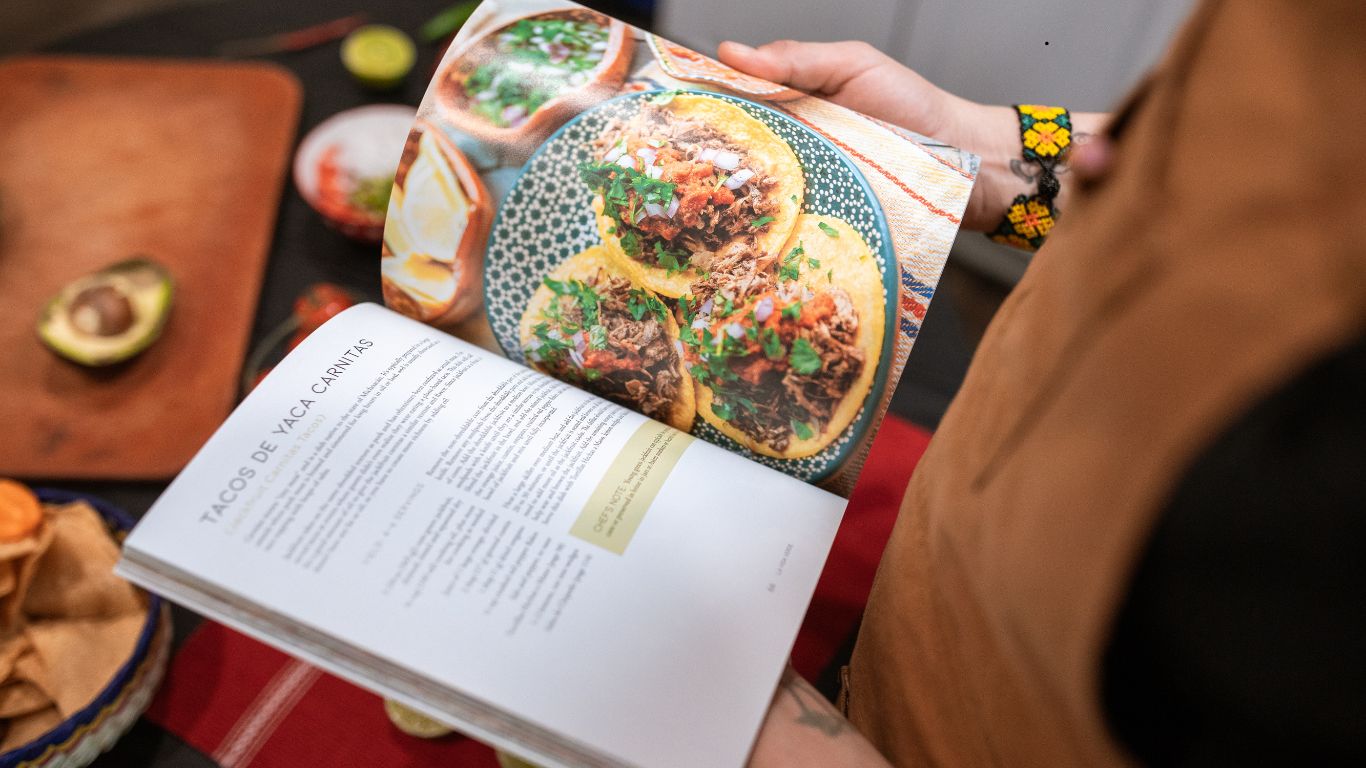
A cookbook for kidney disease and diabetes focuses on recipes that are low in sodium, sugar, and unhealthy fats. It helps individuals manage their conditions while enjoying flavorful meals.
Managing kidney disease and diabetes often requires careful dietary choices. This combined approach to cooking simplifies meal planning and promotes better health. Recipes emphasize fresh ingredients, balanced nutrition, and easy preparation. Individuals can find dishes tailored to their specific dietary needs, ensuring they meet both health requirements and taste preferences.
From breakfast options to hearty dinners, these cookbooks provide a variety of choices. They empower readers to take control of their health through delicious and nutritious meals. Embracing this cooking style can lead to improved well-being and a more satisfying eating experience.
Introduction To Kidney Disease And Diabetes
Kidney disease and diabetes are two serious health conditions. Both can affect each other. Understanding their connection is crucial for better health. This section explores their link and how they impact diet and lifestyle.
The Link Between Kidney Disease And Diabetes
Diabetes can lead to kidney disease. High blood sugar harms the kidneys over time. This damage affects how kidneys filter blood. People with diabetes are at higher risk for kidney problems.
Key facts about diabetes and kidney disease:
- Diabetes is a leading cause of kidney failure.
- Kidney disease can worsen diabetes control.
- Early detection can prevent serious complications.
Impact On Diet And Lifestyle
A proper diet helps manage both conditions. People with diabetes and kidney disease must focus on certain foods. Here are some dietary guidelines:
| Food Type | Recommended Choices | Foods to Avoid |
|---|---|---|
| Carbohydrates | Whole grains, fruits, vegetables | White bread, sugary snacks |
| Proteins | Lean meats, fish, eggs | Processed meats, high-fat dairy |
| Sodium | Herbs, spices for flavor | Salt, salty snacks |
Lifestyle changes also play a vital role:
- Stay active. Regular exercise helps control blood sugar.
- Monitor blood pressure. High blood pressure can harm kidneys.
- Stay hydrated. Drink enough water, but follow doctor’s advice.
Making these changes can improve overall health. A balanced diet and active lifestyle are key.
Essential Nutritional Guidelines
Managing kidney disease and diabetes requires careful attention to diet. Proper nutrition helps control blood sugar and supports kidney function. Focus on essential nutrients and food choices for better health.
Key Nutrients And Their Roles
Understanding key nutrients is vital for managing these conditions. Here are some essential nutrients:
- Protein: Supports muscle health and repair.
- Carbohydrates: Provide energy; choose complex carbs.
- Fats: Healthy fats support heart health; limit saturated fats.
- Fiber: Helps control blood sugar levels and aids digestion.
- Vitamins and Minerals: Essential for overall health; focus on potassium and phosphorus.
Foods To Include And Avoid
Choosing the right foods is crucial. Here’s a simple guide:
| Foods to Include | Foods to Avoid |
|---|---|
| Leafy greens (spinach, kale) | High-sodium foods (processed snacks) |
| Whole grains (brown rice, quinoa) | Refined grains (white bread, pasta) |
| Lean proteins (chicken, fish) | High-fat meats (bacon, sausage) |
| Berries (blueberries, strawberries) | High-sugar fruits (bananas, grapes) |
| Nuts and seeds (almonds, chia seeds) | Processed sugars (candy, desserts) |
Focus on portion sizes and balance. Consult a healthcare provider for personalized advice.
Planning Your Meals
Meal planning is vital for managing kidney disease and diabetes. It helps control blood sugar levels and reduces stress. A well-planned meal can improve overall health. This section covers tips for creating a balanced meal plan and portion control strategies.
Creating A Balanced Meal Plan
A balanced meal plan includes various food groups. Focus on foods that support kidney and blood sugar health.
| Food Group | Recommended Foods | Serving Size |
|---|---|---|
| Fruits | Apples, berries, oranges | 1 small fruit or 1/2 cup berries |
| Vegetables | Spinach, carrots, bell peppers | 1 cup raw or 1/2 cup cooked |
| Protein | Chicken, fish, beans | 3 ounces or 1/2 cup beans |
| Grains | Brown rice, whole wheat bread | 1/2 cup cooked or 1 slice |
| Dairy | Low-fat yogurt, almond milk | 1 cup or 1/2 cup yogurt |
Portion Control Tips
Portion control helps manage calorie intake. It also aids in blood sugar control. Use these tips for effective portion management:
- Use smaller plates and bowls.
- Measure food with cups or scales.
- Read food labels for serving sizes.
- Divide meals into smaller, frequent portions.
- Listen to your body’s hunger cues.
Planning meals carefully ensures better health outcomes. Enjoy a variety of foods while keeping portions in check.
Breakfast Recipes
Breakfast is the most important meal of the day. It sets the tone for your health. Choosing the right recipes can support kidney function and manage diabetes. Here are two delicious options that are both nutritious and easy to make.
Kidney-friendly Pancakes
Start your day with these fluffy pancakes. They are low in sodium and rich in flavor.
- Ingredients:
- 1 cup whole wheat flour
- 1 teaspoon baking powder
- 1 tablespoon sugar substitute
- 1 cup almond milk (unsweetened)
- 1 tablespoon vegetable oil
- 1 teaspoon vanilla extract
Follow these steps to prepare:
- Mix flour, baking powder, and sugar substitute in a bowl.
- Add almond milk, oil, and vanilla extract.
- Stir until smooth.
- Heat a non-stick skillet over medium heat.
- Pour ¼ cup of batter for each pancake.
- Cook until bubbles form, then flip.
- Serve warm with fresh fruits.
These pancakes are not only tasty but also kidney-friendly.
Diabetic-friendly Smoothies
Start your day right with a refreshing smoothie. This recipe is low in sugar and packed with nutrients.
- Ingredients:
- 1 cup spinach (fresh)
- ½ cup cucumber (chopped)
- ½ cup unsweetened almond milk
- ½ avocado
- 1 tablespoon chia seeds
- Ice cubes (optional)
To make the smoothie:
- Combine spinach and cucumber in a blender.
- Add almond milk and avocado.
- Include chia seeds and ice cubes.
- Blend until smooth.
- Pour into a glass and enjoy.
This smoothie keeps your blood sugar stable and is refreshing.
Lunch Recipes
Lunch is a crucial meal for those with kidney disease and diabetes. It provides energy and essential nutrients. Enjoying delicious and healthy recipes can make lunchtime a pleasure. Here are two types of recipes: hearty salads and low-sodium soups.
Hearty Salads
Salads can be filling and nutritious. They offer a variety of flavors and textures. Here are some tasty ideas:
- Quinoa Salad: Mix cooked quinoa, diced cucumbers, cherry tomatoes, and parsley. Dress with lemon juice and olive oil.
- Chickpea Salad: Combine canned chickpeas, red onion, bell peppers, and cilantro. Add lime juice for zest.
- Spinach and Strawberry Salad: Toss fresh spinach with sliced strawberries and walnuts. Use a balsamic vinaigrette for dressing.
These salads are easy to prepare. They are full of fiber and vitamins. Enjoy them for lunch or as a side dish.
Low-sodium Soups
Soups can be comforting and satisfying. Low-sodium options help manage blood pressure. Try these delicious recipes:
| Soup Name | Main Ingredients | Cooking Time |
|---|---|---|
| Vegetable Soup | Carrots, celery, zucchini, and low-sodium broth | 30 minutes |
| Lentil Soup | Lentils, diced tomatoes, spinach, and spices | 45 minutes |
| Chicken Soup | Skinless chicken, carrots, onions, and herbs | 60 minutes |
These soups provide warmth and flavor. They are easy to make and perfect for lunch. Enjoy them with whole-grain bread for a complete meal.
Dinner Recipes
Finding dinner recipes for kidney disease and diabetes can be challenging. The right meals can help manage health while being delicious. Here are two simple and tasty options: Grilled Veggies and Protein, and Stir-Fry Favorites.
Grilled Veggies And Protein
This dish is colorful and full of flavors. Grilling veggies brings out their natural sweetness. Pair with a protein source for a balanced meal.
| Ingredient | Amount |
|---|---|
| Bell Peppers | 2 cups (sliced) |
| Zucchini | 1 cup (sliced) |
| Cherry Tomatoes | 1 cup |
| Olive Oil | 2 tablespoons |
| Your Choice of Protein (chicken, tofu, fish) | 4 ounces |
To prepare:
- Preheat the grill to medium heat.
- Toss veggies with olive oil and season with salt.
- Grill veggies for about 5-7 minutes.
- Cook your choice of protein until fully cooked.
- Serve together for a nutritious meal.
Stir-fry Favorites
Stir-fry meals are quick and healthy. They allow you to mix various vegetables and proteins. A stir-fry can be ready in minutes.
- Broccoli
- Carrots
- Snow Peas
- Lean Beef or Chicken
- Low-Sodium Soy Sauce
To make your stir-fry:
- Heat a non-stick pan over medium heat.
- Add your choice of protein and cook until brown.
- Add vegetables and stir-fry for 3-5 minutes.
- Pour in low-sodium soy sauce for flavor.
- Serve hot over brown rice or quinoa.
These dinner recipes are perfect for anyone managing kidney disease and diabetes. Enjoy tasty meals that support your health.
Snacks And Desserts
Snacks and desserts can be enjoyable even with kidney disease and diabetes. Choosing the right options helps satisfy cravings without compromising health. Here are some tasty ideas for healthy snacks and sweet treats.
Healthy Snack Options
Healthy snacks keep energy levels stable. They also help control blood sugar and support kidney health. Here are some excellent choices:
- Vegetable Sticks with hummus or low-fat dip.
- Air-Popped Popcorn seasoned with herbs.
- Greek Yogurt topped with berries.
- Whole Grain Crackers with a slice of low-fat cheese.
- Nuts in moderation for healthy fats.
Sweet Treats Without The Guilt
Craving something sweet? Enjoy these desserts that are both delicious and healthy:
| Sweet Treat | Ingredients | Benefits |
|---|---|---|
| Chia Seed Pudding | Chia seeds, almond milk, vanilla extract | High in fiber and omega-3 fatty acids |
| Banana Ice Cream | Frozen bananas, a splash of almond milk | Low in calories and sugar-free |
| Oatmeal Cookies | Oats, mashed bananas, dark chocolate chips | Rich in fiber and antioxidants |
These options provide sweetness without added sugars. Enjoy guilt-free treats that fit your dietary needs.
Adapting Recipes For Health
Adapting recipes for kidney disease and diabetes is essential. It helps maintain health while enjoying tasty meals. Simple changes can make a big difference. Focus on healthier ingredients and cooking methods.
Substitutions For Common Ingredients
Making substitutions in recipes can improve health. Here are some common ingredient swaps:
| Original Ingredient | Healthy Substitute |
|---|---|
| White rice | Quinoa or brown rice |
| Sugar | Stevia or monk fruit sweetener |
| Salt | Herbs and spices |
| Butter | Olive oil or avocado |
| Full-fat dairy | Low-fat or plant-based alternatives |
These substitutions help lower sodium and sugar levels. They also boost fiber and healthy fats. Experiment with different options to find what you enjoy.
Cooking Methods To Retain Nutrients
Cooking methods affect nutrient levels in food. Use these methods to keep nutrients intact:
- Steaming: Keeps vitamins in vegetables.
- Baking: Uses less oil than frying.
- Grilling: Adds flavor without excess fat.
- Sautéing: Quick cooking retains nutrients.
- Slow cooking: Great for soups and stews.
Choose methods that enhance flavors and preserve health benefits. This helps create delicious meals that support kidney and diabetes health.
Eating Out With Dietary Restrictions
Dining out can be challenging for those with kidney disease and diabetes. Careful choices are essential to enjoy meals while staying healthy. With some preparation, you can savor delicious food without compromising your health.
Choosing The Right Restaurants
Selecting the right restaurant is crucial. Look for places that cater to dietary needs. Here are some tips:
- Choose restaurants with healthy options.
- Seek out places that offer custom meals.
- Read online reviews about dietary accommodations.
- Consider restaurants that focus on fresh ingredients.
Restaurants that emphasize whole foods often provide better choices. Ask about their menu options before you go.
Navigating Menus
Understanding menus can help you make safe choices. Here are some strategies:
- Look for keywords like “grilled,” “steamed,” and “baked.”
- Avoid dishes with “fried” or “creamy” in the description.
- Ask for dressings and sauces on the side.
- Request whole grains instead of white rice or bread.
Check for specific dietary symbols on menus. Many restaurants now highlight options for health-conscious diners.
| Dish Type | Safe Choices | Foods to Avoid |
|---|---|---|
| Meats | Grilled chicken, fish | Fried meats, sausages |
| Sides | Steamed vegetables, salads | French fries, creamy coleslaw |
| Grains | Quinoa, brown rice | White bread, pasta |
Always communicate your dietary needs to the staff. They can help you find suitable options. Eating out can be enjoyable with the right choices.
Staying Motivated And Supported
Managing kidney disease and diabetes requires dedication. Staying motivated is key. A strong support system can make a big difference. Let’s explore ways to build support and track your progress.
Building A Support Network
Connecting with others can boost your motivation. Here are some ways to build a support network:
- Join local support groups.
- Engage with online communities.
- Share your journey with friends and family.
- Attend workshops or seminars.
Support networks provide encouragement. They also offer valuable information. Surround yourself with positive influences. This helps in staying committed to your health goals.
Tracking Progress And Adjustments
Monitoring your progress is crucial. It keeps you accountable. Use these tools to track your journey:
| Tool | Purpose |
|---|---|
| Food Journal | Record meals and snacks. |
| Blood Sugar Log | Monitor glucose levels. |
| Weight Tracker | Keep track of weight changes. |
Make adjustments as needed. Celebrate small victories. Use apps or journals to document your progress. This helps maintain motivation.
Frequently Asked Questions
What Can I Eat If I Have Diabetes And Kidney Disease?
Choose low-carb vegetables like spinach and broccoli. Opt for lean proteins such as chicken and fish. Limit high-potassium foods like bananas. Select whole grains in moderation. Stay hydrated with water and avoid sugary drinks. Always consult a healthcare provider for personalized dietary advice.
What Is The Best Bread For Kidney Disease And Diabetes?
Whole grain bread is the best option for kidney disease and diabetes. It provides fiber, which helps regulate blood sugar levels. Choose low-sodium varieties to support kidney health. Always check labels for added sugars and preservatives. Consult a healthcare professional for personalized recommendations.
What Is A Good Meal Plan For Kidney Disease?
A good meal plan for kidney disease includes lean proteins, low-sodium vegetables, whole grains, and healthy fats. Limit potassium and phosphorus intake. Focus on hydration and consult a dietitian for personalized guidance. Monitor portion sizes to maintain a balanced diet while supporting kidney health.
How To Keep Your Kidneys Healthy When You Have Diabetes?
To keep your kidneys healthy with diabetes, manage your blood sugar levels. Stay hydrated and eat a balanced diet rich in fruits and vegetables. Regular exercise promotes overall health. Limit salt and sugar intake. Schedule routine check-ups to monitor kidney function and discuss any concerns with your healthcare provider.
What Is A Kidney-friendly Diet For Diabetics?
A kidney-friendly diet for diabetics limits sodium, potassium, and phosphorus while focusing on low-sugar, high-fiber foods.
Conclusion
Managing kidney disease and diabetes is challenging, but a tailored cookbook can simplify meal planning. By focusing on nutritious, delicious recipes, you can enhance your health without sacrificing flavor. Embrace these meal ideas to support your journey toward better health.
Remember, every meal is an opportunity for nourishment and wellness.

Nazmul Gazi is a dedicated final-year student at Cumilla Medical College with a passion for promoting health and wellness. Drawing from his medical studies, Nazmul writes insightful health tips and guides, helping readers make informed decisions about their well-being.