
Locating the ends of underdrains typically costs between $200 to $500. Cleaning these systems can range from $150 to $600, depending on accessibility and condition.
Underdrains are essential for effective water management in landscaping and construction. They help direct excess water away from structures, preventing damage. Over time, these systems can become clogged or misaligned, leading to drainage issues. Regular maintenance is crucial to ensure they function correctly.
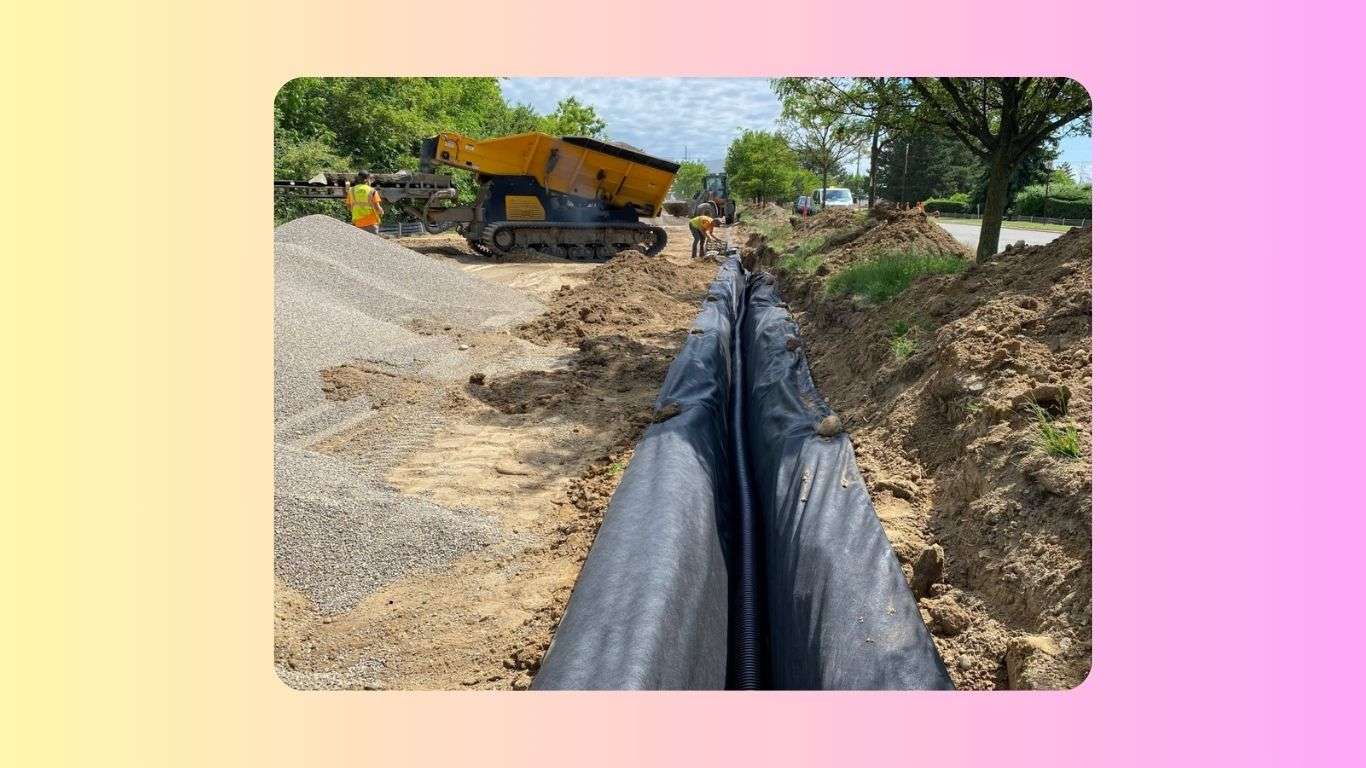
Homeowners and property managers should be aware of the signs of underdrain problems, like pooling water or soggy areas in the yard. Knowing the costs involved in locating and cleaning underdrains can help you budget for necessary upkeep. Investing in timely services can save you from larger repair costs down the line.
Underdrains are essential for effective water management. They help control excess water in soil. This prevents flooding and soil erosion. Understanding underdrains is crucial for any property owner.
Purpose Of Underdrains
Underdrains serve multiple important functions:
- Water Drainage: They remove excess water from the soil.
- Soil Stabilization: They help maintain soil structure.
- Plant Health: Proper drainage supports healthy root systems.
- Flood Prevention: They reduce the risk of surface flooding.
By controlling water flow, underdrains support better landscaping. They also protect structures from water damage.
Importance Of Maintenance
Regular maintenance of underdrains is vital. Neglected underdrains can lead to severe issues:
- Clogged drains can cause water pooling.
- Over time, soil can erode, affecting stability.
- Plants may suffer from inadequate drainage.
Maintenance includes:
- Regular inspections for blockages.
- Cleaning debris from drain openings.
- Ensuring proper flow through the system.
Investing time in maintenance protects your landscape and property.
Identifying Underdrain Endpoints
Finding the endpoints of underdrains is crucial for proper maintenance. Correct identification helps prevent blockages and ensures optimal drainage. Use the right techniques to locate them effectively.
Visual Inspection Techniques
Visual inspections can reveal a lot about underdrains. Here are some effective methods:
- Surface Indicators: Look for areas with water pooling.
- Vegetation Changes: Notice differences in plant growth.
- Soil Erosion: Check for signs of soil washout.
Use these tips for a thorough visual check:
- Walk the area carefully.
- Note any unusual patterns.
- Mark potential endpoints for further inspection.
Using Drainage Plans
Drainage plans are helpful tools for locating underdrains. Follow these steps:
- Obtain Plans: Get the original drainage plans from your local office.
- Review Details: Look for specific symbols denoting underdrains.
- Cross-Reference: Check the plans against the actual site.
Consider creating a table to summarize key details:
| Step | Description |
|---|---|
| 1 | Gather drainage plans from local sources. |
| 2 | Identify underdrain symbols in the plans. |
| 3 | Compare plans with the actual location. |
Using these methods helps ensure you locate underdrain endpoints effectively.
Tools For Locating Underdrains
Finding underdrains can be tricky. The right tools make this task easier. They help you locate and clean underdrains effectively. Here are two main methods: manual probing and electronic locators.
Manual Probing Methods
Manual probing is a straightforward technique. It involves using simple tools to find underdrains. Some common tools include:
- Probe Rods: Long, thin rods that help you feel for the drain.
- Shovels: Useful for digging around the suspected area.
- Water Levels: These help in determining the slope of the ground.
Follow these steps for manual probing:
- Identify the area where you suspect the underdrain.
- Insert the probe rod into the ground.
- Feel for any resistance indicating a pipe.
- Dig carefully around the probe if you locate the drain.
Electronic Locators
Electronic locators are advanced tools. They use technology to find underdrains quickly. Some popular types include:
| Locator Type | Description |
|---|---|
| Ground Penetrating Radar (GPR) | Uses radar pulses to locate buried utilities. |
| Pipe Locators | Detects the metal or plastic pipes using signals. |
| Electromagnetic Locators | Tracks electromagnetic signals from buried pipes. |
To use electronic locators:
- Calibrate the device according to the instructions.
- Scan the ground where you suspect the underdrain is.
- Watch for signals indicating the presence of a drain.
Using these tools ensures effective locating and cleaning of underdrains.
Steps To Uncover Underdrain Ends
Locating and cleaning underdrains is essential for proper drainage. Follow these steps to uncover the ends of your underdrains safely and effectively.
Safe Digging Practices
Digging can be dangerous. Use these safe practices:
- Call Before You Dig: Contact local utilities.
- Wear Protective Gear: Use gloves, goggles, and sturdy footwear.
- Mark the Area: Clearly mark your digging area.
- Check Soil Stability: Ensure soil is not loose or unstable.
Keep a safe distance from any buried lines. Always dig gently to avoid damaging any pipes.
Clearing Obstructions
Obstructions can hide the ends of underdrains. Follow these steps to clear them:
- Identify the Area: Look for visible drain lines or surface water.
- Remove Debris: Clear leaves, dirt, or rocks.
- Use a Trowel: Gently dig around the suspected end.
- Inspect for Access: Check for any access points or openings.
Be patient. Some obstructions may take time to remove. Once clear, you can better locate the underdrain ends.
Cleaning Underdrains
Cleaning underdrains is essential for maintaining proper drainage. Over time, debris can build up. This can block water flow, leading to damage. Regular cleaning keeps your system functioning well.
Flushing Techniques
Flushing is a simple yet effective way to clean underdrains. Here are some common flushing techniques:
- Water Pressure: Use a high-pressure water hose.
- Drainage Cleaners: Utilize safe, biodegradable cleaners.
- Frequency: Flush at least once a year.
Follow these steps to flush underdrains:
- Locate the access points of your underdrain.
- Connect the hose to a water source.
- Direct the hose into the underdrain.
- Turn on the water and watch for debris.
Mechanical Cleaning Methods
Mechanical cleaning methods can provide a deeper clean. Consider these options:
| Method | Description |
|---|---|
| Augers | Use a rotating tool to break up clogs. |
| Drain Snakes | A flexible tool to remove tough blockages. |
| Vacuum Systems | Vacuum out debris and sediment effectively. |
Choose a method based on your needs. Mechanical methods can be more effective for tough clogs.
Frequency Of Maintenance
Regular maintenance of underdrains is crucial. Proper care ensures they function effectively. Neglect can lead to issues like water pooling and soil erosion.
Assessing Underdrain Use
Understanding how often to maintain your underdrains depends on their use. Here are some factors to consider:
- Soil Type: Sandy soils drain quickly. Clay soils retain water.
- Landscape: Sloped areas may need more frequent checks.
- Vegetation: Dense plants can block drains.
Regular assessment helps identify when maintenance is needed. Check for clogs or damage every few months. Use the following methods:
- Inspect visible parts.
- Look for pooling water.
- Check for unusual odors.
Seasonal Considerations
Seasons greatly impact underdrain maintenance. Different weather conditions can affect how often you clean them.
| Season | Maintenance Tasks | Frequency |
|---|---|---|
| Spring | Check for blockages and debris. | Every 2 weeks |
| Summer | Inspect for leaks and repairs. | Monthly |
| Fall | Clear leaves and organic matter. | Every 2 weeks |
| Winter | Ensure no ice blockages. | Monthly |
Seasonal checks help maintain optimal flow. Regular cleaning prevents buildup and ensures longevity.
Troubleshooting Common Issues
Underdrains can face several issues over time. Identifying these problems early helps maintain functionality. Here, we cover common issues and their solutions.
Dealing With Blockages
Blockages are a frequent problem in underdrains. They can cause water to back up and lead to flooding.
- Debris: Leaves, dirt, and rocks can clog the system.
- Roots: Tree roots may invade and obstruct flow.
- Sand and Silt: Fine particles can settle and block drainage.
To clear blockages:
- Inspect the area around the drain.
- Use a plumber’s snake or a drain auger to remove debris.
- Flush the system with water to clear smaller particles.
- Consider using a high-pressure washer for tough clogs.
Repairing Damaged Sections
Damaged sections can lead to leaks and reduced efficiency. Look for cracks or breaks in the pipe.
Common signs of damage include:
- Visible cracks on the surface.
- Wet spots in your yard.
- Pooling water near the drain.
For repairs:
- Shut off any water supply.
- Dig around the damaged section.
- Replace the broken pipe with a new one.
- Seal joints with plumber’s tape to prevent leaks.
Regular checks can prevent severe damage. Keep your underdrains functioning well.
Cost Considerations
Understanding the costs of locating and cleaning underdrains is essential. This process involves various factors that can affect your budget. Here, we break down the costs associated with estimating cleaning expenses and budgeting for regular upkeep.
Estimating Cleaning Expenses
Cleaning underdrains involves several cost factors. Here are the main expenses to consider:
- Labor Costs: Hiring professionals can range from $50 to $150 per hour.
- Equipment Rental: Renting specialized tools may cost between $20 and $100 daily.
- Materials: Cleaning agents and disposal supplies can add another $30 to $100.
Here’s a simple table that outlines potential costs:
| Expense Type | Estimated Cost |
|---|---|
| Labor | $50 – $150/hour |
| Equipment Rental | $20 – $100/day |
| Materials | $30 – $100 |
Budgeting For Regular Upkeep
Regular maintenance keeps underdrains in good shape. Budgeting helps manage these costs effectively. Consider these factors:
- Frequency: Clean underdrains at least once a year.
- Prevention: Invest in preventive measures to reduce cleaning needs.
- Emergency Repairs: Set aside funds for unexpected issues.
Estimate an annual budget:
- Annual Cleaning: $200 – $600
- Preventive Maintenance: $100 – $300
- Emergency Fund: $150 – $500
Total estimated annual budget can range from $450 to $1,400. Adjust based on your property needs.
Hiring Professionals Vs Diy
Cleaning underdrains can be a challenging task. Deciding whether to hire professionals or do it yourself is crucial. Each option has its pros and cons. Understanding these can help you make the best choice for your situation.
When To Call Experts
Some situations clearly call for professional help. Consider the following:
- Severe Blockages: If water backs up, call a pro.
- Complex Systems: Intricate layouts require expert knowledge.
- Lack of Tools: If you don’t have the right equipment, hire experts.
- Safety Concerns: Avoid risks if you’re unsure of the process.
Professionals bring experience and specialized tools. They can save you time and potential headaches.
Diy Cleaning Tips
For minor issues, you can clean underdrains yourself. Use these tips for effective cleaning:
- Gather Tools: You need a hose, bucket, and a snake.
- Locate the Drain: Find the end of the underdrain.
- Flush with Water: Use the hose to push out debris.
- Check for Clogs: Insert the snake to remove stubborn blockages.
- Inspect Regularly: Check your underdrains at least twice a year.
Regular maintenance helps prevent major issues. Keep your tools organized for easy access.
Conclusion
Finding the ends of underdrains and ensuring they are clean is crucial for effective drainage. Regular maintenance can prevent costly repairs and system failures. By following the guidelines outlined in this post, you can enhance your drainage system’s performance. A well-maintained underdrain leads to a healthier landscape and fewer headaches.

Nasir is our resident expert with 5 years of experience in business development and marketing strategies. With a keen eye for market trends and a knack for creating impactful campaigns, Nasir helps drive our vision forward with innovative solutions and data-driven insights. His articles provide valuable perspectives on navigating the ever-evolving world of business.