
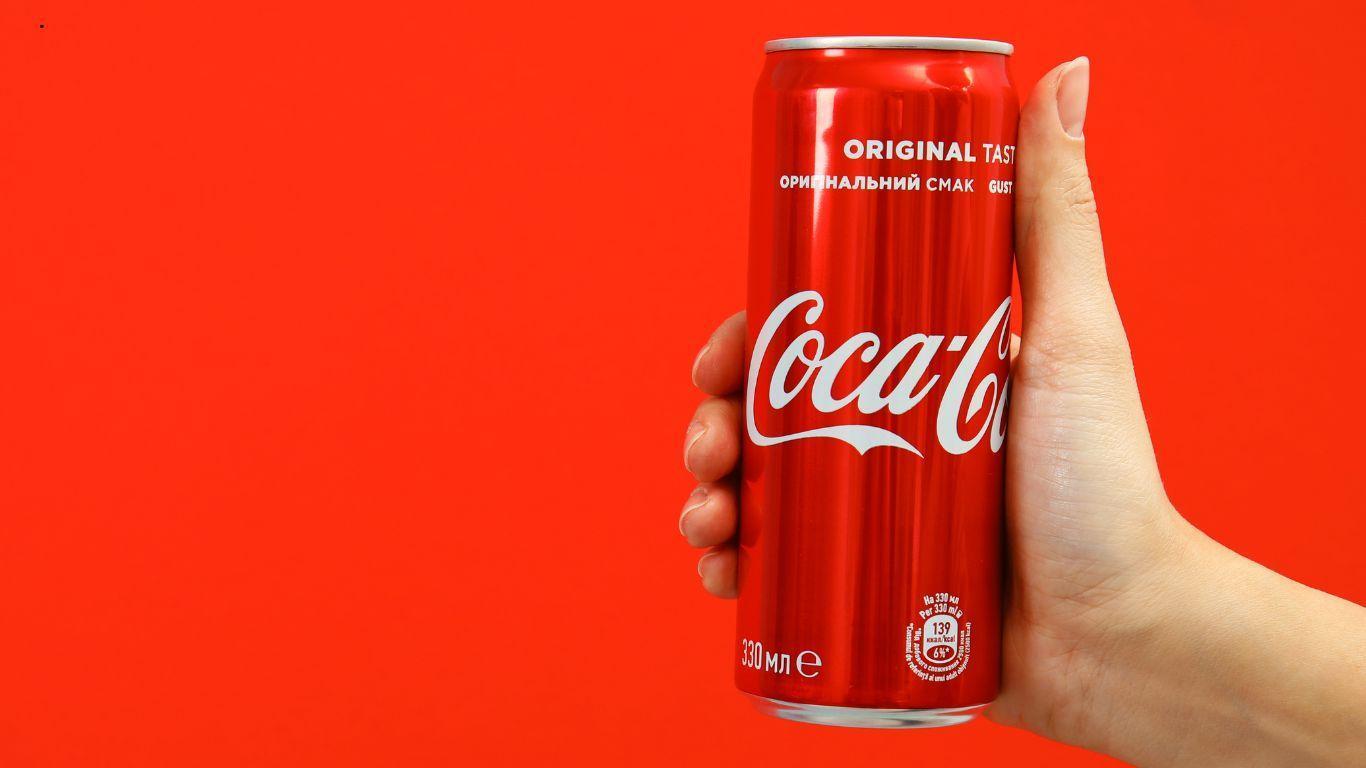
A can of Coke contains approximately 34-45 mg of caffeine. Coca-Cola is a popular carbonated beverage that is enjoyed by millions of people around the world.
It is known for its distinct flavor and refreshing qualities. Many people consume Coke for its energizing effects, primarily due to the presence of caffeine. Caffeine is a natural stimulant that can provide a temporary boost in energy and alertness.
However, it is important to consume caffeine in moderation, as excessive intake can have negative effects on health. In this blog post, we will explore the amount of caffeine in a can of Coke and discuss its potential impact on the body. Let’s dive in!
The Buzz Behind Coke’s Popularity
Coca-cola’s Global Reach
Coca-Cola, the iconic beverage, has successfully captured the hearts of consumers worldwide. From bustling city streets to remote villages, the familiar red and white logo can be spotted, symbolizing the brand’s unparalleled global presence.
Caffeine’s Role In Consumer Preference
Caffeine content in Coca-Cola plays a pivotal role in shaping consumer preference. With a standard can containing approximately 34mg of caffeine, the stimulating effect contributes to the drink’s widespread appeal.
Caffeine 101
When it comes to caffeine, it’s important to understand the basics before delving into the specifics of how much caffeine is in a can of Coke. Let’s start with Caffeine 101.
Basic Facts About Caffeine
Caffeine is a naturally occurring stimulant found in various plants, including coffee beans, tea leaves, and cacao pods. It’s also added to many popular beverages, including soda. Caffeine is known for its ability to provide a temporary energy boost and increase alertness.
How Caffeine Affects The Body
Once consumed, caffeine is absorbed into the bloodstream and reaches peak levels within 30 to 60 minutes. It blocks the action of adenosine, a neurotransmitter that promotes relaxation and sleepiness, leading to increased neural activity. This, in turn, can result in heightened cognitive function and reduced perception of effort during physical activities.
Caffeine Content Revealed
If you’re someone who enjoys a refreshing can of Coke, you may have wondered just how much caffeine is packed into each can. In this article, we will dive into the caffeine content of Coca-Cola and explore how it compares to other popular beverages.
Comparing Beverages
When it comes to caffeine content, it’s essential to understand how different beverages stack up against each other. Let’s take a look at how Coke’s caffeine concentration compares to some other popular drinks:
| Beverage | Caffeine Content (per 12 oz serving) |
|---|---|
| Coca-Cola | 34 mg |
| Black Tea | 47 mg |
| Coffee (brewed) | 96 mg |
| Energy Drinks | Up to 240 mg |
Coke’s Caffeine Concentration
Now let’s focus on the caffeine concentration in Coca-Cola. A standard 12 oz can of Coke contains approximately 34 mg of caffeine. This amount can vary slightly depending on the specific product and region.
Compared to some other beverages, Coke’s caffeine content is relatively moderate. While it provides a pick-me-up, it contains less caffeine than a cup of black tea or a typical cup of coffee.
It’s worth noting that caffeine sensitivity varies from person to person. Some individuals may feel more energized after consuming a can of Coke, while others may not notice a significant effect.
Remember, moderation is key when consuming caffeinated beverages. It’s always a good idea to be aware of your caffeine intake and listen to your body’s signals.
So, the next time you crack open a can of Coke, now you know just how much caffeine you’re getting with each sip. Enjoy your drink responsibly and savor the refreshing taste!
Health Implications Of Caffeine
A can of Coke contains approximately 34mg of caffeine, which can have both positive and negative health implications. While caffeine can improve alertness and concentration, excessive consumption can lead to jitters, anxiety, and sleep disturbances. It’s important to monitor caffeine intake and consume it in moderation.
Safe Consumption Levels
When it comes to caffeine consumption, it is important to be mindful of safe levels to prevent any potential health risks. The Food and Drug Administration (FDA) recommends a maximum daily intake of 400 milligrams of caffeine for healthy adults. This is equivalent to about four 8-ounce cups of coffee or ten 12-ounce cans of soda. However, individual tolerances to caffeine may vary, so it is essential to listen to your body and adjust your consumption accordingly.
Potential Risks And Benefits
While caffeine can provide a temporary energy boost and increase alertness, excessive intake or sensitivity to caffeine can lead to various health risks. Some potential risks associated with high caffeine consumption include:
- Insomnia and sleep disturbances
- Increased heart rate and blood pressure
- Dehydration
- Headaches and migraines
- Stomach upset and digestive issues
On the other hand, moderate caffeine consumption has been linked to certain benefits. These include:
- Enhanced cognitive function and improved focus
- Increased metabolism and fat burning
- Reduced risk of certain diseases, such as Parkinson’s disease and liver cancer
- Elevated mood and decreased risk of depression
While caffeine can have both positive and negative effects on health, it is crucial to consume it in moderation and be aware of your individual tolerance. Remember to stay within the recommended safe levels of caffeine intake to avoid any potential risks. As always, consult with a healthcare professional if you have any concerns or questions regarding your caffeine consumption.
Caffeine Sensitivity Variations
Coke contains about 34 mg of caffeine per 12-ounce can, but caffeine sensitivity varies. Some people may feel the effects with just one can, while others can handle several without issue. It’s important to be mindful of individual tolerance levels and moderate consumption accordingly.
Factors Influencing Caffeine Effects
Caffeine sensitivity varies from person to person, and it is determined by several factors. The amount of caffeine in a can of Coke is relatively low, but it can still affect people differently. Some people can consume large amounts of caffeine without experiencing any negative side effects, while others may feel jittery and anxious after just one can. The following factors can influence how caffeine affects an individual:
- Age: As people age, their metabolism slows down, making it harder for their body to process caffeine.
- Weight: People with a higher body weight may require more caffeine to feel its effects.
- Genetics: Some people are genetically predisposed to metabolize caffeine faster or slower than others.
- Medications: Certain medications can interact with caffeine and increase its effects.
- Health conditions: People with certain health conditions, such as anxiety or heart problems, may be more sensitive to caffeine.
Personalizing Your Intake
If you are sensitive to caffeine or want to personalize your intake, there are several things you can do. You can start by keeping track of your caffeine intake and how it affects you. You can also try the following:
- Limit your intake: If you are sensitive to caffeine, you may want to limit your intake or avoid it altogether.
- Time your intake: Consuming caffeine earlier in the day may help prevent sleep disturbances.
- Choose decaffeinated options: If you enjoy the taste of Coke but don’t want the caffeine, you can choose decaffeinated options.
- Experiment with other beverages: There are many other beverages that can provide a natural energy boost, such as green tea or herbal tea.
In conclusion, understanding caffeine sensitivity variations can help you personalize your intake and avoid negative side effects. By considering the factors that influence how caffeine affects you and experimenting with different options, you can find the right balance for your body and lifestyle.
Regulations On Caffeine
Coca-Cola contains approximately 34 mg of caffeine in a 12-ounce can. The regulations on caffeine vary by country, with some imposing limits on its content in beverages. Understanding the caffeine content in a can of Coke can help individuals monitor their intake and stay within recommended limits.
The amount of caffeine allowed in food and beverages is regulated by authorities around the world. The regulatory bodies set the maximum amount of caffeine that can be present in products like soft drinks. In the United States, the Food and Drug Administration (FDA) regulates the caffeine content in food and beverages. The FDA has declared caffeine as a safe substance, but it is still regulated to ensure that it is not consumed in excessive amounts.
Industry Standards
The American Beverage Association (ABA) has set industry standards for caffeine content in soft drinks. As per these standards, a 12-ounce can of cola should contain no more than 46 milligrams of caffeine. However, these standards are voluntary, and companies are not required to follow them. Some companies may exceed the recommended limit of caffeine in their products.
Global Regulatory Differences
Regulations regarding caffeine content vary from country to country. For instance, in the European Union, the maximum amount of caffeine allowed in a 12-ounce can of cola is 30 milligrams. In Australia, the limit is 145 milligrams per liter. Some countries have banned the sale of energy drinks containing high amounts of caffeine altogether. It is essential to understand the regulations and industry standards regarding caffeine content in soft drinks. While caffeine is generally considered safe, excessive consumption can lead to adverse health effects. It is always wise to consume caffeinated products in moderation and be aware of the amount of caffeine present in them.
Coke’s Recipe Evolution
Throughout its long history, Coca-Cola has gone through several changes in its recipe, including variations in its caffeine content. These changes have been influenced by various factors, ranging from consumer preferences to health concerns. Let’s take a closer look at the historical changes, modern adaptations, and the role of caffeine in Coca-Cola.
Historical Changes
In the early days of Coca-Cola, the recipe included coca leaf extract, which naturally contained small amounts of caffeine. However, in 1903, the company removed the coca leaf extract due to increasing regulatory restrictions. This resulted in a decrease in the overall caffeine content of the beverage.
Over the years, Coca-Cola has made further adjustments to its recipe, including changes in the sweeteners used and the introduction of diet and zero-sugar variants. These changes have had an impact on the overall taste and caffeine content of the drink.
Modern Adaptations And Caffeine
Today, the caffeine content in a can of Coca-Cola varies depending on the specific product and market. Regular Coca-Cola typically contains around 34 mg of caffeine per 12-ounce serving, while the diet and zero-sugar versions may have slightly higher caffeine content.
It’s important to note that the caffeine content in Coca-Cola is significantly lower compared to other caffeinated beverages like coffee and energy drinks. This makes Coca-Cola a popular choice for those looking for a milder caffeine boost or a refreshing alternative.
While caffeine has its own effects on the body, Coca-Cola also offers caffeine-free options for those who prefer to avoid its stimulating effects. These caffeine-free variants provide the same great taste without the added caffeine content.
As Coca-Cola continues to evolve and adapt to changing consumer preferences, the company remains committed to providing a range of options to suit different tastes and caffeine preferences.
Summary:
- Coca-Cola’s recipe has evolved over the years, resulting in changes in its caffeine content.
- Historically, Coca-Cola contained coca leaf extract with natural caffeine, but this was later removed.
- The modern Coca-Cola recipe varies in caffeine content, with regular versions containing around 34 mg per 12-ounce serving.
- Coca-Cola also offers caffeine-free options for those who prefer to avoid caffeine altogether.
Caffeine-free Alternatives
If you’re looking for a refreshing beverage without the kick of caffeine, there are plenty of options to choose from. Whether you’re trying to cut back on caffeine or simply prefer caffeine-free alternatives, there are various choices available to quench your thirst. In this article, we will explore some of the popular caffeine-free alternatives to Coke, including Coke’s own offerings and other non-caffeinated sodas.
Coke’s Own Offerings
Coca-Cola, the company behind Coke, recognizes that not everyone wants or can have caffeine in their drinks. As a result, they have introduced several caffeine-free options to cater to different preferences. These include:
- Caffeine-Free Coca-Cola: This classic cola flavor without the caffeine offers the same great taste you know and love.
- Caffeine-Free Diet Coke: For those watching their calories and sugar intake, this caffeine-free version of Diet Coke is a great option.
- Caffeine-Free Coca-Cola Zero Sugar: If you’re a fan of the zero-sugar variety, this caffeine-free option provides the same satisfying taste without the caffeine.
These Coke offerings provide the familiar flavors and bubbles you enjoy, minus the caffeine. So, you can still indulge in your favorite cola taste without any stimulant effects.
Other Non-caffeinated Sodas
In addition to Coke’s own offerings, there are numerous other non-caffeinated sodas available in the market. These alternatives provide a range of flavors to suit various preferences. Some popular options include:
- Sprite: This lemon-lime soda from The Coca-Cola Company is caffeine-free and known for its crisp and refreshing taste.
- 7Up: Another popular lemon-lime soda, 7Up is caffeine-free and offers a zesty and citrusy flavor.
- Ginger Ale: Known for its soothing properties, ginger ale is a caffeine-free option that provides a unique spicy and bubbly taste.
- Fanta: This fruity soda comes in various flavors and is caffeine-free, making it a popular choice among those looking for a caffeine-free alternative.
These non-caffeinated sodas offer a wide range of tastes and flavors, ensuring there is something for everyone. From citrusy and tangy to sweet and fizzy, these alternatives provide a refreshing experience without the jolt of caffeine.
The Role Of Marketing
Advertising Caffeinated Products
Marketers play a crucial role in shaping consumer perception of caffeinated products. Through strategic advertising, they highlight the energizing effects of caffeine, portraying it as a desirable component in beverages such as Coca-Cola.
Consumer Perception Of Caffeine In Coke
Consumers often associate Coca-Cola with a refreshing boost, largely due to the company’s marketing efforts. The branding of Coke as a caffeinated beverage has influenced consumer perception, positioning it as a go-to choice for a quick pick-me-up.
Consumer Trends And Preferences
Caffeine content in soft drinks has become a focal point of consumer trends and preferences, influencing the choices of individuals seeking refreshing beverages. Understanding the shifts in soft drink consumption and the demand for healthier options sheds light on the evolving landscape of consumer preferences.
Shifts In Soft Drink Consumption
Consumer behavior has shown a notable shift in the consumption of soft drinks. More individuals are becoming conscious of their beverage choices, leading to a decline in the consumption of high-caffeine soft drinks like traditional colas. This shift is driven by a growing awareness of health concerns associated with excessive caffeine intake.
Demand For Healthier Options
The demand for healthier soft drink options has soared in response to changing consumer preferences. Consumers are actively seeking beverages with lower caffeine content, prompting soft drink manufacturers to introduce a variety of low-caffeine or caffeine-free alternatives. This shift reflects a broader trend towards healthier lifestyle choices and a preference for beverages that offer a refreshing taste without high caffeine levels.
Caffeine And Culture
Coca-Cola is a popular beverage that contains caffeine, although the exact amount varies depending on the size of the can. It is important to be aware of the caffeine content in a can of Coke, as excessive consumption can have both short-term and long-term effects on your health.
Caffeine is not just a stimulant; it has a cultural significance that extends far beyond the realm of science. The role of caffeine in popular culture is particularly noteworthy, and no other drink has achieved the iconic status of Coca-Cola. In this article, we will explore how much caffeine is in a can of Coke and discuss its cultural significance.
Coke In Popular Culture
Coca-Cola is the quintessential American drink and has been an influential part of popular culture for over a century. It has appeared in countless movies, TV shows, and advertisements, making it one of the most recognizable brands in the world. Coke’s cultural significance is due, in part, to its strong association with American values such as freedom, individualism, and happiness.
Caffeine’s Cultural Significance
Caffeine is not just a chemical; it is a cultural phenomenon. The consumption of caffeine is a social ritual that is deeply ingrained in our daily lives. Whether it’s a morning cup of coffee or an afternoon soda, we use caffeine to energize ourselves and enhance our performance. Caffeine has become an integral part of our social fabric, and its cultural significance is reflected in our language, art, and media.
| Drink | Caffeine content (per 12 oz serving) |
|---|---|
| Coca-Cola Classic | 34 mg |
| Coke Zero Sugar | 34 mg |
| Diet Coke | 46 mg |
Coca-Cola’s caffeine content is relatively low compared to other sodas and energy drinks. A 12 oz serving of Coca-Cola Classic contains only 34 mg of caffeine, which is about one-third the amount found in a cup of coffee. However, the cultural significance of Coke is not just about its caffeine content; it’s about the brand’s history, marketing, and association with American culture. In conclusion, while caffeine is an important part of Coca-Cola’s appeal, its cultural significance extends far beyond its chemical composition. The iconic brand has become a symbol of American culture and values, and its influence on popular culture is undeniable.
Comparative Analysis With Coffee
Caffeine Content: Coke Vs. Coffee
When comparing the caffeine content of a can of Coke to that of coffee, it’s essential to consider the differences in their respective amounts. While the caffeine content in a 12-ounce can of Coke is approximately 34 mg, a standard 8-ounce cup of coffee contains around 95 mg of caffeine. This reveals that coffee generally contains a higher amount of caffeine compared to Coke, making it a stronger stimulant.
Consumption Habits
When it comes to consumption habits, it’s important to note that the frequency and quantity of coffee and Coke consumed can significantly impact the overall caffeine intake. While some individuals may have multiple cups of coffee throughout the day, others might opt for a can of Coke as a quick pick-me-up. Moreover, the way caffeine is metabolized by the body can vary from person to person, influencing their consumption patterns and preferences.
Diy Caffeine Measurement
Discover the caffeine content in a can of Coke with this DIY caffeine measurement method. Easily determine how much caffeine you’re consuming without relying on labels or guesswork.
Curious about how much caffeine is in a can of Coke? If you’re looking to measure the caffeine content yourself at home, you’ve come to the right place. With a few simple tools and some patience, you can determine the amount of caffeine in your favorite carbonated beverage. In this article, we’ll guide you through the process of DIY caffeine measurement, from how to test at home to understanding the results.
How To Test At Home
To measure the caffeine content in a can of Coke, you’ll need the following supplies:
- A caffeine test kit (readily available online or at some specialty stores)
- A can of Coke (or any other caffeinated drink you want to test)
- A clean glass or container
- A stopwatch or timer
- A pH testing strip (optional but helpful for accuracy)
Once you have all your supplies ready, follow these steps:
- Open the can of Coke and pour it into the clean glass or container.
- Take the caffeine test kit and carefully read the instructions provided.
- Follow the instructions to prepare the test solution as directed.
- Add a few drops of the test solution to the Coke in the glass or container.
- Using the stopwatch or timer, wait for the recommended amount of time as stated in the instructions.
- Observe any color changes in the mixture and compare it to the color chart provided with the test kit.
Understanding The Results
Once you have completed the test, you will have a visual indication of the caffeine content in your can of Coke. The color of the mixture after adding the test solution will correspond to a caffeine concentration level on the color chart. This will give you an approximate measure of the caffeine content in your drink.
Keep in mind that the DIY caffeine measurement method provides an estimation and may not be as precise as laboratory testing. However, it can still give you a general idea of the caffeine content in your can of Coke.
Remember, moderation is key when consuming caffeinated beverages. It’s always a good idea to be aware of the caffeine content in the drinks you consume to make informed choices about your caffeine intake.
Faqs About Caffeine In Coke
Coca-Cola is one of the most popular sodas in the world, but many people wonder how much caffeine is in a can. A 12-ounce can of Coke contains about 34mg of caffeine, which is less than half the amount found in a cup of coffee.
Common Questions Answered
Here are some of the most commonly asked questions about the caffeine content in a can of Coke:
Myths Vs. Facts
Let’s separate the myths from the facts regarding the caffeine content in Coke:
-
- Myth: Coke contains more caffeine than coffee.
Fact: While Coke does contain caffeine, it typically has much less caffeine than a cup of coffee. An average 12-ounce can of Coke contains around 34 milligrams of caffeine, whereas an 8-ounce cup of coffee can contain anywhere from 95 to 165 milligrams.
-
- Myth: Caffeine in Coke can cause addiction.
Fact: While caffeine is a stimulant, it is not considered highly addictive. Moderate consumption of caffeine, including that found in Coke, is generally safe for most individuals. However, excessive consumption can lead to dependence and withdrawal symptoms.
-
- Myth: Caffeine in Coke can stunt growth in children.
Fact: There is no scientific evidence to support the claim that caffeine in Coke can stunt growth in children. However, it is still recommended that children limit their consumption of caffeinated beverages.
-
- Myth: Decaffeinated Coke is completely caffeine-free.
Fact: Decaffeinated Coke still contains a small amount of caffeine, although significantly less compared to regular Coke. An 8-ounce serving of decaffeinated Coke typically contains around 2 to 3 milligrams of caffeine.
Now that we’ve cleared up some common misconceptions, let’s dive deeper into the frequently asked questions about caffeine in Coke.
Future Of Caffeinated Beverages
The future of caffeinated beverages is an exciting and rapidly evolving space, driven by consumer demand for innovative and diverse options. As the industry continues to expand and adapt, it’s crucial to explore the potential for new and improved products, as well as the impact of consumer behavior on the market.
Innovations In The Industry
Innovations in the caffeinated beverage industry are creating a buzz, with companies constantly striving to develop new and exciting products that cater to evolving consumer preferences. From enhanced formulations to sustainable packaging, the industry is witnessing a surge in creative and sustainable innovations that aim to meet the growing demand for unique and health-conscious options.
Predicting Consumer Behavior
Understanding and predicting consumer behavior is essential for the future of caffeinated beverages. By analyzing market trends and leveraging consumer insights, companies can develop products that align with the changing preferences and lifestyles of their target audience. Whether it’s functional beverages or convenient on-the-go options, predicting consumer behavior enables the industry to stay ahead of the curve and deliver products that resonate with consumers.
Frequently Asked Questions
How Much Caffeine Is In A 12 Oz Can Of Coke?
A 12 oz can of Coke contains about 34 mg of caffeine.
Is 200 Mg Of Caffeine A Lot?
200 mg of caffeine can be considered a moderate amount. It’s equivalent to about two cups of coffee or four cups of tea. However, individual tolerance may vary, so it’s important to listen to your body and be mindful of any potential side effects like restlessness or difficulty sleeping.
Which Soda Has The Highest Caffeine?
The soda with the highest caffeine content is Mountain Dew. It contains about 54 milligrams of caffeine per 12-ounce serving.
How Much Caffeine Is In Mountain Dew?
Mountain Dew contains about 54 milligrams of caffeine in a 12-ounce serving.
Conclusion
Understanding the caffeine content in a can of Coke is crucial for making informed choices about your daily intake. With approximately 34 mg of caffeine in a 12-ounce can, it’s important to moderate consumption to avoid potential health issues. By being mindful of caffeine levels, you can enjoy Coke responsibly.

Nasir is our resident expert with 5 years of experience in business development and marketing strategies. With a keen eye for market trends and a knack for creating impactful campaigns, Nasir helps drive our vision forward with innovative solutions and data-driven insights. His articles provide valuable perspectives on navigating the ever-evolving world of business.