
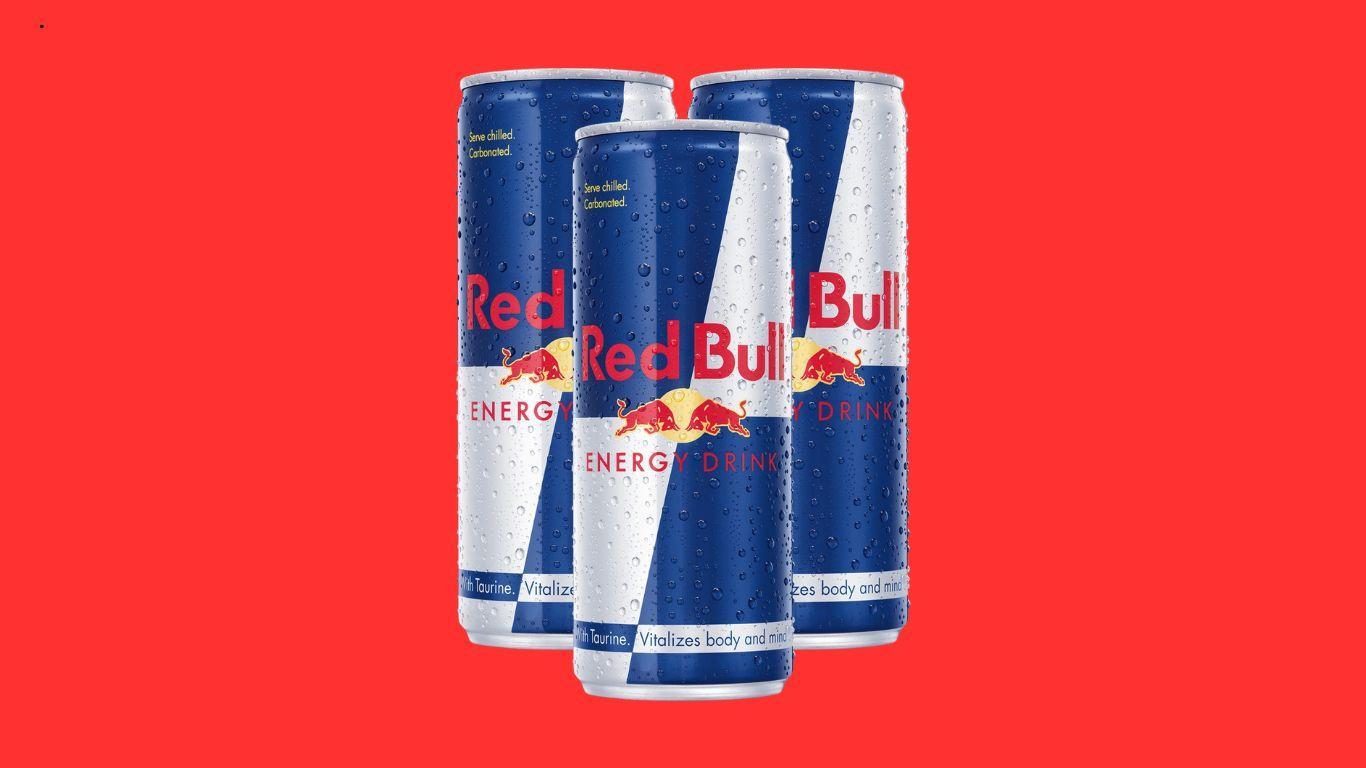
Red Bull 250ml contains approximately 80mg of caffeine, providing a quick energy boost. Caffeine is a natural stimulant found in various plants and is known for its ability to increase alertness and reduce fatigue.
Red Bull’s caffeine content can provide a temporary increase in mental and physical performance, making it a popular choice for those needing a quick energy boost. With its distinct flavor and energizing properties, Red Bull 250ml has become a popular choice for individuals seeking a pick-me-up during busy days or late nights.
However, it’s important to consume caffeine in moderation, as excessive intake can lead to side effects such as restlessness, increased heart rate, and insomnia. Understanding the caffeine content in Red Bull 250ml can help individuals make informed decisions about their energy drink consumption.
The Buzz Behind Red Bull
Red Bull is a popular energy drink known for its ability to provide an instant boost of energy. Understanding the caffeine content in Red Bull 250ml can shed light on the reasons behind its energizing effect.
Origins Of Red Bull
Red Bull originated in Thailand in the 1970s and was later introduced to the Austrian market in 1987. The unique formula of Red Bull contains caffeine, taurine, B-vitamins, and sugars, which work together to provide a quick energy boost.
Caffeine Content Reveal
Red Bull 250ml contains approximately 80mg of caffeine, which is about the same amount as a cup of coffee. This caffeine content contributes to the stimulating effects of Red Bull, helping to increase alertness and improve concentration.
Caffeine 101
What Is Caffeine?
Caffeine is a natural stimulant found in coffee, tea, and various other products. It’s known for its ability to help people feel more awake and alert. One of the most popular sources of caffeine is the energy drink Red Bull 250ml.
Effects On The Body
Consuming caffeine can lead to increased heart rate and improved mental alertness. However, excessive intake can cause restlessness, anxiety, and disrupted sleep patterns. In a 250ml can of Red Bull, there is approximately 80mg of caffeine, which is about the same as a cup of coffee.
Comparing Caffeine Levels
When it comes to energy drinks, one of the key ingredients that keeps us energized is caffeine. Caffeine is a stimulant that can help improve focus, increase alertness, and combat fatigue. In this article, we will compare the caffeine levels in a popular energy drink, Red Bull 250ml, with other caffeinated beverages such as coffee and other energy drinks.
Red Bull Vs. Coffee
Coffee is a well-known source of caffeine that many people rely on to kick-start their day. It provides a natural boost of energy and is a staple for coffee lovers. Let’s compare the caffeine levels between Red Bull 250ml and an average cup of coffee:
| Energy Drink | Caffeine Content |
|---|---|
| Red Bull 250ml | 80mg |
| Average Cup of Coffee | 95mg |
As you can see, Red Bull 250ml contains 80mg of caffeine, while an average cup of coffee contains around 95mg. This means that when it comes to caffeine content, coffee has a slightly higher amount compared to Red Bull.
Red Bull Vs. Other Energy Drinks
Energy drinks are designed to provide a quick boost of energy, and caffeine is a key component in achieving that. Let’s compare the caffeine levels between Red Bull 250ml and some other popular energy drinks:
- Monster Energy: 160mg
- Rockstar Energy: 160mg
- 5-hour Energy: 200mg
Compared to these other energy drinks, Red Bull 250ml has a lower caffeine content. While Monster Energy and Rockstar Energy contain 160mg of caffeine, 5-hour Energy packs a higher punch with 200mg. It’s important to note that caffeine levels may vary in different sizes and variations of these energy drinks.
In conclusion, Red Bull 250ml has a moderate amount of caffeine compared to coffee and some other energy drinks. Whether you choose Red Bull or another caffeinated beverage, it’s always important to consume them in moderation and be aware of your personal tolerance to caffeine.
Nutritional Breakdown Of Red Bull
Understanding the nutritional content of the popular energy drink, Red Bull, can help you make informed choices about your beverage consumption. Let’s take a closer look at the key components and their impact on your overall health.
Calories And Sugars
Red Bull, in a 250ml can, contains approximately 110 calories. It is important to keep in mind that these calories come from a combination of carbohydrates and sugars. The drink contains around 27 grams of sugar, which is a significant amount compared to the recommended daily intake.
Excessive consumption of sugary beverages can lead to health issues such as weight gain, increased risk of diabetes, and tooth decay. It is crucial to be mindful of your sugar intake and consider healthier alternatives if you are concerned about these risks.
Vitamins And Minerals
In addition to its high sugar content, Red Bull also contains a variety of vitamins and minerals. These include:
| Vitamin B2 (Riboflavin) | Vitamin B3 (Niacin) | Vitamin B5 (Pantothenic acid) | Vitamin B6 (Pyridoxine) | Vitamin B12 (Cobalamin) |
|---|---|---|---|---|
| 0.6 mg | 8.5 mg | 2 mg | 2 mg | 2.5 μg |
These vitamins play a crucial role in energy metabolism, brain function, and overall well-being. However, it is important to note that Red Bull should not be relied upon as a sole source of these essential nutrients. A balanced diet that includes a variety of food groups is essential for optimal health.
While Red Bull may provide a temporary boost of energy, it is essential to consume it in moderation and be aware of its nutritional content. If you are looking for alternative ways to boost your energy levels, consider incorporating healthy lifestyle habits such as regular exercise, adequate sleep, and a balanced diet.
The Science Of Energy Boost
The Science of Energy Boost is a complex topic that involves various aspects of the human body. One of the most popular drinks that promise an instant energy boost is Red Bull 250Ml. Caffeine is the primary ingredient in Red Bull that provides the energy boost, and its effects on the body are worth exploring. In this blog post, we will delve into the science of energy boost and understand how caffeine in Red Bull 250Ml works.
Caffeine Absorption
Caffeine is absorbed into the bloodstream and reaches the brain quickly. It takes about 15-45 minutes for caffeine to reach its peak level in the bloodstream. The caffeine in Red Bull 250Ml is absorbed faster than other caffeinated beverages due to its carbonated nature. Carbonation speeds up the absorption of caffeine in the stomach, providing an instant energy boost.
Energy Metabolism
Caffeine stimulates the central nervous system, which signals the body to produce more adrenaline, a hormone that increases heart rate and blood pressure. Adrenaline triggers the body’s energy metabolism, releasing stored glucose into the bloodstream, providing an instant energy boost. The caffeine in Red Bull 250Ml improves energy metabolism, making it an ideal drink for athletes and people who need an instant energy boost.
The science of energy boost is fascinating, and caffeine in Red Bull 250Ml is an excellent example of how science can provide an instant energy boost. However, it is essential to consume Red Bull 250Ml in moderation, as excessive caffeine consumption can have adverse effects on the body. It is recommended to limit caffeine intake to 400mg per day, which is equivalent to four cups of coffee.
Safety And Recommendations
Red Bull 250ml contains caffeine, which can have potential health risks if consumed in large amounts. Experts recommend limiting caffeine intake to 400mg per day, which is equivalent to four 250ml cans of Red Bull. It’s important to read the label and follow recommendations for safe consumption.
When it comes to energy drinks, Red Bull is one of the most popular brands in the market. It contains caffeine, a natural stimulant that can help improve mental alertness and physical performance. However, it is important to consume Red Bull in moderation to avoid any potential health risks. In this section, we will discuss the safe consumption limits and health warnings associated with Red Bull’s caffeine content.
Safe Consumption Limits
The safe consumption limit for caffeine is 400mg per day for healthy adults. Red Bull contains 80mg of caffeine per 250ml can, which means you can safely consume up to five cans per day. However, it is important to remember that caffeine sensitivity varies from person to person, and some may experience negative effects even with lower doses. It is always best to start with a smaller amount and gradually increase as needed.
Health Warnings
Consuming too much caffeine can lead to various health issues, such as increased heart rate, high blood pressure, and anxiety. It can also interfere with sleep and cause dehydration. Pregnant women, children, and individuals with certain medical conditions should avoid or limit their caffeine intake. It is also important to avoid mixing Red Bull with alcohol, as it can increase the risk of dehydration and alcohol poisoning. In conclusion, Red Bull is a popular energy drink that contains caffeine, a natural stimulant that can improve mental alertness and physical performance. However, it is important to consume it in moderation and follow the recommended safe consumption limits. If you experience any negative effects, it is best to stop consuming it and consult a healthcare professional.
Red Bull In Pop Culture
Red Bull’s presence in pop culture is undeniable, with its iconic 250ml can becoming a symbol of energy and vitality. The caffeine in Red Bull 250ml has made it a popular choice for those seeking a quick boost, often making appearances in movies, music videos, and other forms of media.
Its association with the fast-paced lifestyle of today’s world has solidified its status as a cultural phenomenon.
Red Bull has become more than just an energy drink; it has permeated popular culture in various ways. From endorsements and sponsorships to innovative marketing strategies, Red Bull has successfully positioned itself as a symbol of energy, adventure, and excitement.
Endorsements And Sponsorships
Red Bull has managed to align itself with some of the biggest names in sports, music, and entertainment. Through strategic endorsements and sponsorships, the brand has created a strong association with high-performance individuals and events.
- Red Bull’s collaboration with extreme sports athletes like Felix Baumgartner and Travis Pastrana has elevated the brand’s image as a supporter of adrenaline-fueled feats.
- The brand’s sponsorship of Formula 1 racing teams and athletes like Max Verstappen has further solidified its presence in the world of motorsports.
- Musicians and DJs, such as Martin Garrix and Zedd, have also been part of Red Bull’s endorsement roster, aligning the brand with the energetic and vibrant music scene.
Marketing Strategies
Red Bull’s marketing strategies have been instrumental in its rise to pop culture prominence. The brand has consistently pushed boundaries and embraced unconventional tactics to engage its target audience.
- One of Red Bull’s notable marketing strategies is the creation of extreme sports events like the Red Bull Air Race and Red Bull Rampage. These events not only showcase thrilling performances but also reinforce the brand’s association with adrenaline and adventure.
- Red Bull’s content marketing approach has also played a significant role in its success. The brand produces and shares captivating videos, documentaries, and articles that resonate with its audience and promote a lifestyle of excitement and exploration.
- In addition, Red Bull’s iconic slogan, “Red Bull gives you wings,” has become synonymous with the brand and has been cleverly incorporated into its marketing campaigns. This memorable tagline reinforces the brand’s promise of providing an energy boost and an elevated experience.
Red Bull’s presence in pop culture goes beyond being just a beverage. With its endorsements, sponsorships, and innovative marketing strategies, the brand has successfully established itself as a symbol of energy and adventure. Whether it’s through extreme sports events or collaborations with high-profile athletes and musicians, Red Bull continues to captivate its audience and inspire them to push their limits.
Consumer Experiences
Caffeine is a key component found in Red Bull 250ml, and its effects on individuals can vary. Consumer experiences with the caffeine content in Red Bull have been diverse, with some people reporting positive effects while others have experienced caffeine sensitivity. Understanding these experiences can help you make an informed decision about consuming Red Bull.
Caffeine Sensitivity
Caffeine sensitivity refers to an individual’s unique reaction to the stimulant. While many people can enjoy a can of Red Bull without any adverse effects, others may be more sensitive to caffeine and experience certain symptoms. These symptoms can include:
- Restlessness
- Increased heart rate
- Difficulty sleeping
- Nervousness or anxiety
- Stomach discomfort
If you have experienced any of these symptoms in the past after consuming caffeinated beverages, it is advisable to approach Red Bull with caution or consult with a healthcare professional to determine whether it is suitable for you.
Testimonials
Here are a few testimonials from individuals who have tried Red Bull and shared their experiences:
| Name | Experience |
|---|---|
| John | “I tried Red Bull for the first time during a long road trip, and it gave me the energy boost I needed to stay alert and focused. It kept me going for hours without any crash.” |
| Sarah | “I have always been sensitive to caffeine, so when I tried Red Bull, I felt jittery and had difficulty sleeping that night. It was too strong for me.” |
| David | “Red Bull has become my go-to drink when I need a pick-me-up during busy workdays. It helps me stay productive and mentally sharp.” |
These testimonials showcase the varied experiences individuals have had with Red Bull. It is important to remember that everyone’s reaction to caffeine can be different, and personal sensitivity should be taken into account when deciding whether to consume Red Bull or any caffeinated beverage.
Caffeine Alternatives
When it comes to energy drinks, many people turn to products like Red Bull 250ml for a quick boost to help them power through their day. However, not everyone is a fan of the high levels of caffeine found in these beverages. If you’re looking for alternatives to caffeine, there are several options to consider that can provide a similar energy-boosting effect without the jitters or potential crash that can come with caffeine consumption.
Natural Sources
One of the best alternatives to caffeine is natural sources of energy. These can include green tea, which contains a compound called L-theanine that can provide a gentle, sustained energy boost. Ginseng is another natural ingredient that has been used for centuries to promote energy and vitality. Additionally, maca root is known for its energizing properties and can be found in various forms such as powders or supplements.
Non-caffeinated Stimulants
In addition to natural sources, there are non-caffeinated stimulants that can provide an energy boost without the use of caffeine. Guarana is a popular ingredient in many energy drinks and supplements, known for its high concentration of natural stimulants. Yerba mate is another non-caffeinated stimulant that contains compounds which can help increase alertness and focus without the crash associated with caffeine consumption.
The Caffeine Extraction Process
When it comes to the Caffeine Extraction Process in Red Bull 250ml, understanding the sources and manufacturing techniques is crucial. Let’s delve into the details of how caffeine is sourced and extracted for this popular energy drink.
Sources Of Caffeine
The primary source of caffeine in Red Bull 250ml is natural caffeine derived from coffee beans, tea leaves, and cacao pods. These natural sources provide the caffeine that gives Red Bull its energizing properties.
Manufacturing Techniques
The manufacturing process for extracting caffeine involves several steps. Initially, the natural sources are processed to extract caffeine in its pure form. This caffeine is then meticulously measured and added to the Red Bull formula, ensuring consistency and effectiveness.
Health Implications Of Caffeine
Caffeine in Red Bull 250ml can have various health implications, including increased heart rate, anxiety, and difficulty sleeping. Consuming too much caffeine can lead to dehydration and dependence, impacting overall health and well-being. It’s important to consume energy drinks like Red Bull in moderation to avoid these potential health issues.
Caffeine is a naturally occurring stimulant that is found in various food and drinks, including tea, coffee, and energy drinks like Red Bull. While caffeine can provide a temporary boost of energy, it also has several health implications that people should be aware of. In this article, we will focus on the short-term and long-term effects of caffeine consumption, specifically in Red Bull.
Short-term Effects
Red Bull contains 80mg of caffeine per 250ml, which is equivalent to the amount of caffeine in a cup of coffee. When consumed, caffeine is quickly absorbed into the bloodstream and reaches the brain within 20 minutes. The short-term effects of caffeine in Red Bull include:
- Increased alertness and concentration
- Improved physical performance
- Elevated heart rate and blood pressure
- Increased urination
- Headache and nausea (in some individuals)
Long-term Effects
While Red Bull is safe to consume in moderation, excessive consumption of caffeine can have several long-term effects on your health. Some of these effects include:
| Effects | Description |
|---|---|
| Insomnia | Caffeine can interfere with sleep patterns and make it difficult to fall asleep or stay asleep. |
| Anxiety and Depression | Caffeine can increase anxiety and cause mood swings in some individuals, leading to depression over time. |
| Dehydration | Caffeine is a diuretic, which means it can increase urination and lead to dehydration if not consumed with adequate fluids. |
| Heart Problems | Excessive caffeine consumption can cause heart palpitations, irregular heartbeat, and high blood pressure, leading to heart problems in the long run. |
In conclusion, while caffeine in Red Bull can provide a temporary energy boost, it is essential to consume it in moderation to avoid long-term health implications. It is recommended to limit caffeine consumption to 400mg per day, which is equivalent to about four cups of coffee or two 250ml cans of Red Bull.
Regulations And Standards
When it comes to the production and sale of energy drinks like Red Bull 250ml, there are various regulations and standards in place to ensure consumer safety and product quality. These guidelines, overseen by both the industry and governmental organizations, help to maintain the integrity and consistency of the product. In this section, we will explore the industry guidelines and governmental oversight related to caffeine content in Red Bull 250ml.
Industry Guidelines
The energy drink industry has established specific guidelines to regulate the caffeine content in their products. These guidelines aim to provide consumers with accurate information about the caffeine levels in each serving and to prevent excessive consumption. Companies like Red Bull adhere to these guidelines to maintain transparency and promote responsible consumption.
According to industry standards, energy drinks like Red Bull 250ml should not exceed a certain caffeine limit per serving. This limit ensures that consumers are aware of the caffeine content and can make informed choices about their consumption. By adhering to these guidelines, Red Bull and other energy drink manufacturers prioritize consumer safety and well-being.
Governmental Oversight
In addition to industry guidelines, governmental agencies also play a crucial role in overseeing the production and sale of energy drinks. These agencies, such as the Food and Drug Administration (FDA) in the United States, set regulations to protect consumers and ensure product safety.
The FDA monitors the labeling, ingredients, and caffeine content of energy drinks to ensure they comply with established standards. By enforcing these regulations, the government aims to safeguard public health and prevent misleading claims or unsafe practices. This oversight helps to maintain the quality and integrity of products like Red Bull 250ml.
In conclusion, regulations and standards play a vital role in governing the production and sale of energy drinks like Red Bull 250ml. Industry guidelines and governmental oversight ensure that consumers are provided with accurate information, promote responsible consumption, and prioritize consumer safety. By adhering to these regulations, Red Bull and other energy drink manufacturers demonstrate their commitment to providing a high-quality product that meets the necessary standards.
Caffeine And Athletic Performance
Caffeine is a widely studied and popular ergogenic aid known for its potential to enhance athletic performance. The stimulant properties of caffeine can have a significant impact on physical and mental abilities, making it a popular choice for athletes looking to gain a competitive edge.
Enhancing Abilities
Caffeine, when consumed in appropriate amounts, has been shown to improve endurance, strength, and power during high-intensity exercise. It can also help athletes maintain focus and concentration, leading to enhanced overall performance. Studies suggest that caffeine can reduce the perception of effort during exercise, allowing athletes to push themselves harder and for longer durations.
Legal Considerations
For athletes, it’s essential to be aware of the legal considerations surrounding caffeine consumption. While caffeine is not a banned substance in sports, there are specific limits set by athletic organizations such as the World Anti-Doping Agency (WADA). Athletes should be mindful of the maximum allowable caffeine levels to avoid potential disqualification or penalties during competitions.
Deconstructing The Red Bull Formula
The Deconstructing the Red Bull Formula unveils the secrets behind the iconic energy drink’s unique blend. Understanding the signature ingredients and the secrets to its success provides insight into the powerful impact of Red Bull.
Signature Ingredients
Red Bull’s 250ml can contains a proprietary blend of key ingredients, including caffeine, taurine, glucuronolactone, and B-group vitamins. These components work synergistically to provide a rapid energy boost.
Secrets To Its Success
The success of Red Bull lies in its ability to deliver a quick and effective energy surge. The precise combination of stimulating elements ensures a rapid and sustained energy release, making it a popular choice among consumers seeking a quick pick-me-up.
The Future Of Energy Drinks
In today’s fast-paced world, the demand for quick and effective energy boosts is on the rise. Energy drinks have become increasingly popular among individuals looking to enhance their performance, stay alert, and combat fatigue. Among the vast array of energy drinks available, Red Bull 250ml stands out for its high caffeine content and innovative approach to delivering energy.
Innovations
Red Bull has consistently pushed the boundaries of energy drink innovation, striving to provide consumers with the best possible experience. With its 250ml can, Red Bull has captured the essence of convenience and portability, allowing individuals to enjoy a quick energy boost on the go.
Furthermore, Red Bull has continuously explored new flavors and variations to cater to diverse consumer preferences. Whether it’s the classic original flavor or exciting limited editions, Red Bull never fails to surprise and delight its loyal customers.
Market Trends
The energy drink market has witnessed significant growth over the years, with consumers increasingly seeking alternative solutions to traditional caffeine sources. Red Bull has capitalized on this trend, positioning itself as a leader in the energy drink industry.
With its unique marketing strategies and partnerships with extreme sports events, Red Bull has successfully created a strong brand image that resonates with its target audience. By associating itself with high-performance activities, Red Bull has established itself as the go-to energy drink for those seeking an adrenaline-fueled experience.
In addition to its marketing efforts, Red Bull has also recognized the importance of catering to health-conscious consumers. As a result, the brand has introduced sugar-free and low-calorie options to meet the evolving needs of its customers.
As the demand for energy drinks continues to grow, Red Bull remains at the forefront of the market, constantly adapting to consumer preferences and introducing innovative products.
In conclusion, the future of energy drinks is undoubtedly an exciting one. Red Bull’s commitment to innovation and ability to stay ahead of market trends has solidified its position as a dominant force in the industry. With its focus on convenience, flavor variety, and catering to health-conscious individuals, Red Bull is well-equipped to meet the evolving needs of energy drink consumers around the world.
Frequently Asked Questions
How Much Caffeine Is In 250ml Of Red?
A 250ml cup of red contains varying amounts of caffeine depending on the brand and type. On average, it typically contains around 95-150mg of caffeine.
Is 200 Mg Of Caffeine A Lot?
200 mg of caffeine is considered a moderate amount. It can provide an energy boost and improve focus, but excessive consumption may lead to side effects like jitteriness and insomnia. It’s best to monitor your caffeine intake and consult a healthcare professional if you have any concerns.
How Much Caffeine Is In Coffee Vs Red Bull?
Coffee typically contains more caffeine than Red Bull. An 8 oz cup of coffee has around 95 mg of caffeine, while an 8. 4 oz can of Red Bull has 80 mg. However, the caffeine content in coffee can vary depending on the type of coffee and how it’s brewed.
Is 140 Mg Caffeine A Lot?
140 mg caffeine is considered a moderate amount of caffeine, which is equivalent to a small cup of coffee. However, it can affect individuals differently based on their tolerance and sensitivity to caffeine. It is recommended to consume caffeine in moderation to avoid negative side effects such as anxiety, insomnia, and increased heart rate.
Conclusion
To sum up, the 250ml can of Red Bull contains a significant amount of caffeine that can provide a boost of energy. However, it is important to consume it in moderation and be aware of its potential side effects. Whether you are an athlete needing a pick-me-up or simply seeking a temporary energy boost, understanding the caffeine content in Red Bull can help you make informed decisions.
Stay hydrated, listen to your body, and enjoy your caffeine responsibly.

Nasir is our resident expert with 5 years of experience in business development and marketing strategies. With a keen eye for market trends and a knack for creating impactful campaigns, Nasir helps drive our vision forward with innovative solutions and data-driven insights. His articles provide valuable perspectives on navigating the ever-evolving world of business.